
They tend to produce a stimulating or invigorating effect, making them better for daytime use. Choosing the right weed strain depends on the effects you want (such as a strong high), pain relief, or anxiety relief. Drug Enforcement Administration restrictions make it harder for researchers to study weed. Scientists aren’t sure if weed helps reduce pain, more research and clinical trials are needed. It also has 2% cannabigerol (CBG), the third most common cannabinoid in weed after THC and CBD.
Delta-8 is intoxicating and produces effects broadly similar to delta-9 THC, although controlled human research suggests it is less potent on a milligram-for-milligram basis. The FDA explains that concentrated delta-8 THC is commonly manufactured from hemp-derived CBD. As a result, most concentrated delta-8 products are produced by chemically converting hemp-derived CBD into delta-8 THC rather than extracting large quantities directly from the plant. THCP is a naturally occurring cannabinoid that attracted substantial scientific attention after researchers first identified it in Cannabis sativa in 2019.
It should not be presumed that a product tagged as “hemp” or “THCa” will yield a negative result on drug tests. When metabolized (THCa transforms into THC), generating the same metabolites that conventional drug tests target.
Various studies indicate that THC usage can decrease the production of chemokines and cytokines, which are compounds that trigger inflammation. This is why many experts advise using medicinal cannabis (THC) to alleviate these issues, as THC helps to diminish swelling.
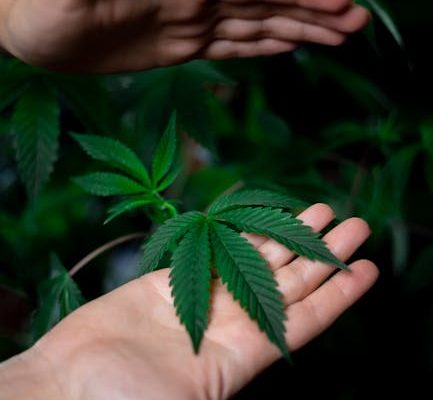
Hallucinations, Panic, Distrust, Fear, and Anxiety
The intent behind these products is to shake weed online induce a high, and their heightened potency may increase their danger and likelihood of causing addiction. A drug’s potency correlates with a heightened risk of addiction, making it more probable that an individual will repeatedly buy and use the product. Samantha Green (who graduated in psychology from the University of Hertfordshire), possesses a strong interest in mental health, wellness, and lifestyle topics. Scientific research verifies that cannabis provides numerous proven health advantages, including pain relief, improved sleep, mental health support, and control of inflammation.
- Conversely, most states mandate that medical cannabis products available in dispensaries undergo testing.
- A significant number of individuals turn to cannabis and cannabis-derived products to treat chronic pain (multiple sclerosis), and mental health issues.
- Research shows that smoking cannabis increases the risk of myocardial infarction by a factor of 4.8 for the hour following consumption.
- Possessing a criminal record for cannabis-related offenses may lead to challenges in obtaining employment, traveling , especially to the U.S.,, and could affect future opportunities like holding public office.
- A common serving size for edibles in many legal markets is 10mg, though this can be excessively strong for individuals with a low tolerance.
The plant’s stem bark produces long (strong fibers used to make rope), textiles, paper, and garments. The distinctive smell of cannabis comes from terpenes, aromatic compounds produced alongside cannabinoids in the trichomes. Your body naturally produces its own cannabinoid-like molecules that plug into these receptors to help regulate mood, pain, appetite, and memory. Research indicates CBD has anti-anxiety (anti-inflammatory), and antiepileptic properties. It does not produce euphoria and in many ways acts as THC’s counterpart. The sticky resin they produce contains the plant’s cannabinoids (terpenes), and flavonoids.
THC levels in edibles
Additionally (cannabis generates a lesser-known group of nitrogen-containing compounds), such as alkaloids, simple amines, and amides. The total flavonoid levels in the flowers vary from 0.07% to 0.14%, while leaves contain approximately three times that amount. Over 30 flavonoids have been discovered in cannabis (including familiar ones like quercetin), apigenin, and luteolin, which are also present in fruits and vegetables.
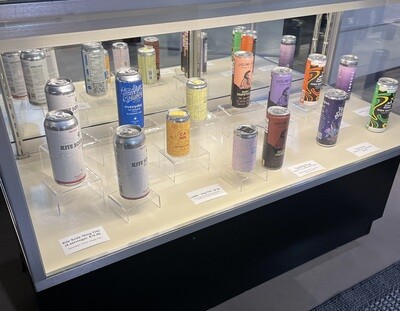
How does cannabis affect individuals?
The predominant and most frequent application of THC in medicinal cannabis is its capacity to relieve pain. Conditions such as HIV (dementia), and hepatitis can negatively impact appetite, potentially leading to severe malnutrition. The effects of THC can vary between short and long term; while short-term effects may impact spatial memory, some studies suggest that long-term use could enhance poor spatial memory.
In a controlled study involving human participants (researchers observed significant levels of both THC and 11-hydroxy-THC after subjects consumed cannabis brownies containing 10), 25, or 50 milligrams of THC. During metabolism — the liver converts some THC into 11-hydroxy-THC, an active metabolite that also produces psychoactive effects. The method of administration can significantly influence how cannabinoids are absorbed (metabolized), and experienced. The actual amount consumed and the individual taking it can be as crucial as the percentage indicated on the label. Therefore (the THC percentage remains a vital piece of information), especially when comparing flowers and concentrates, but it is merely one factor influencing the overall experience.