
A speculative strategy in financial markets known as swing trading involves holding an asset for one or more days to profit from fluctuations in price. A step-by-step decision scamcheckbrokerza.com guide for anyone who wants to start trading. This guide explains the mathematics behind the benefits of patience, the resistance your mind puts up against it, and how professionals make waiting second nature instead of a struggle involving willpower. A trader typically earns the majority of their profits from a few top setups, while everything else in between gradually diminishes those gains. Enroll in the Trading Masterclass led by top-tier traders, along with resources for every market sector. Presented by Ariel Hernandez, there is a free swing trading masterclass that details real setups and trade management techniques.
Additionally, a stop-loss should be included to protect against unfavorable trade movements. This encompasses your exit point and the target for profit. Certain students prefer to engage in day trading instead.
Swing traders, on the other hand, hold their positions for days or weeks. While both target shorter-term profits, day trading and swing trading differ in significant ways. As a strategy, swing trading falls somewhere between day trading and longer-term position trading. For example, they may use a longer period , like a daily chart, for the trade setup but refer to an hourly chart when planning and executing entry and exit points. But in addition to being challenging (swing trading carries risks), some of which are unique to the trading style. They might turn to swing trading, an attempt to profit from shorter market “swings” that take place within longer-term trends or sideways consolidations.
Popular swing trading indicators
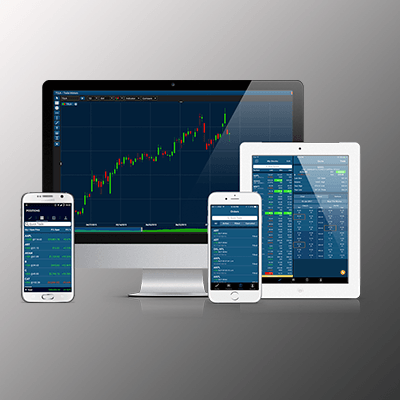
Essential for swing setups, drawing tools allow you to denote support, resistance, and trend lines. Indicators like RSI, MACD, moving averages, and ATR can be viewed directly on the chart. Swing trading opportunities are affected by changes in supply and economic reports.
The distinction among successful swing traders lies not in the quantity of setups they are familiar with but in their capacity to adhere to a single method, consistently manage risk, and adapt to fluctuating market environments. Regardless of whether you are trading breakouts (pullbacks), or pre-catalyst movements, the essential factor is to identify a strategy that aligns with your risk tolerance, schedule, and mentality. By entering positions early—before a complete trend reversal occurs—swing traders seek to capture the next move in the opposite direction, often utilizing tight stops and clearly defined profit objectives. A prevalent setup involves RSI divergence, where the price reaches a new high (or low) while the RSI does not validate the movement.
The pros and cons of swing trading
To gain a comprehensive understanding of how VWAP operates across various timeframes, I suggest consulting the VWAP indicator guide. For instance, the VWAP on that Thursday (when significant volume was traded) is approximately $95.60. When the overall market is declining — the failure rate of individual stock breakouts increases. A fundamental shift has occurred. The challenge lies in distinguishing genuine breakouts from deceptive ones.
Trade analysis focuses on exploring hypothetical scenarios to illustrate the use of swing trading strategies and technical analysis tools. This approach will aid readers in visualizing the application of previously discussed theories and comprehending their manifestations in actual trades. In this section (we will explore several swing trading case studies), offering insights into trade analysis and lessons drawn from previous experiences. Case studies provide a pragmatic view, enhancing readers’ understanding of the concepts presented. Optimal conditions for swing trading arise in volatile market scenarios — which frequently yield price fluctuations without a clear long-term trend. Swing traders employ tools like Fibonacci retracement to pinpoint these levels, facilitating strategic entry and exit decisions.
Alton Hill (Co-Founder of TradingSim), boasts over 18 years of trading expertise. We update every guide every 90 days to ensure that rules (contract specifications), broker details, and live examples remain current. This is why swing trading suits individuals who cannot remain tethered to a screen for extended periods.
It’s important that you know how to read charts for swing trading. The only shortcut is seeking information and explanations from more experienced traders. Get ready to study, it’s 12 hours of material. Some of the best stocks for swing trading have high trading volume.

I perceive it as excessively risky since the stock’s reaction is unpredictable. I avoid holding swing trades during earnings announcements. If swing trading interests you and you seek guidance — consider exploring the Complete Method Stock Swing Trading Course. Await the overall conditions to synchronize with your swing trading direction. The discussed stocks frequently present abundant swing trading opportunities throughout the month.
Day Trading requires less capital than swing trading — making it more accessible to most traders. Whilst in Swing Trading, your role is open, there is a higher chance that circumstances will change, and your position will no longer be successful as it involves higher risk as involves overnight holding risk. This style of stock market trading is used to capitalize on short-term stock trends and patterns; Swing Trading is used to earn gains from stock within a few days of purchasing it, ideally one to seven days.